Plain Numbers. Plain Language. Plain Truth.
This is not a promise. It is not a get-rich-quick scheme. It is a breakdown of what broiler chicken farming actually looks like when you run the numbers honestly — with real South African costs, real South African market prices, and real South African conditions.
Read it all. Then decide.
Why Broiler Chickens?
Broiler chickens are one of the fastest-cycling agricultural income streams available. The full cycle from day-old chick to market-ready bird is six weeks. That means you can run up to 8 full cycles per year.
Chicken is the most consumed protein in South Africa. Demand is constant, consistent, and growing. Every household, every restaurant, every fast food outlet, every school feeding scheme buys chicken. There is no shortage of buyers.
And unlike cattle — which require large land, long time horizons, and significant starting capital — broilers can be started at a much smaller scale, in a much shorter time, with a much faster return on investment.
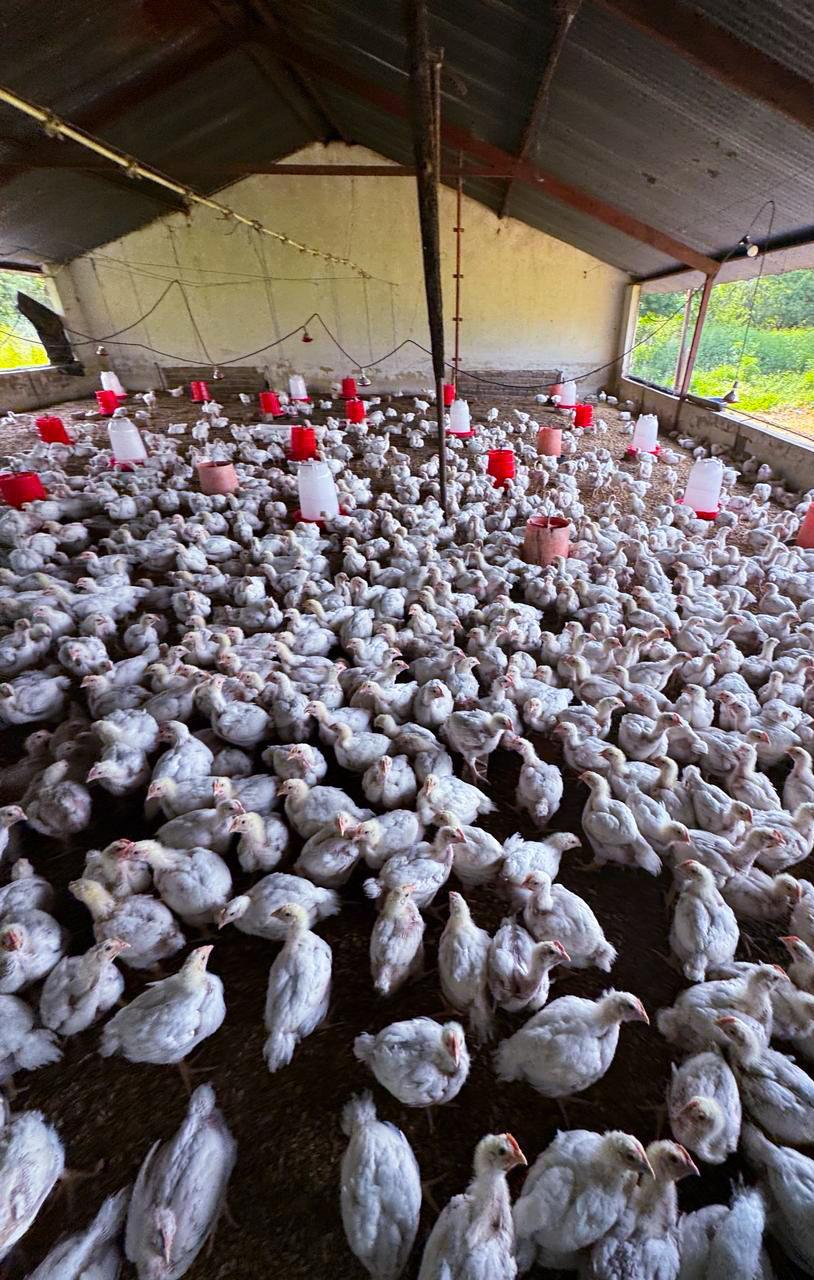
The Numbers — 1,000 Birds Per Cycle
These are realistic figures based on South African input costs and wholesale prices. They are not the best-case scenario. They are what you can reasonably expect when the operation is managed correctly.
Revenue — What Comes In
Costs — What Goes Out
The Net — What You Keep
"Most people who fail at broiler farming do not fail because chicken farming does not work. They fail because they did not sit with the numbers before they spent the first rand."
What Affects The Range?
Feed Conversion Ratio
The most important variable. How efficiently your birds convert feed into body weight. Good management can cut your feed costs by 15–20%. Mo Kae Di training focuses heavily on this.
Mortality Rate
A 3–5% mortality rate is normal and already factored above. Poor biosecurity, incorrect ventilation, or wrong water management pushes this up significantly.
Market Price
Wholesale vs. direct retail makes a big difference. Selling direct to butcheries, restaurants, or communities rather than through middlemen can increase revenue by 20–35%.
Scale
At 500 birds, input costs per bird are higher. At 2,000+ birds, fixed costs are spread further and margin per bird improves. Scale is where the real profitability lives.
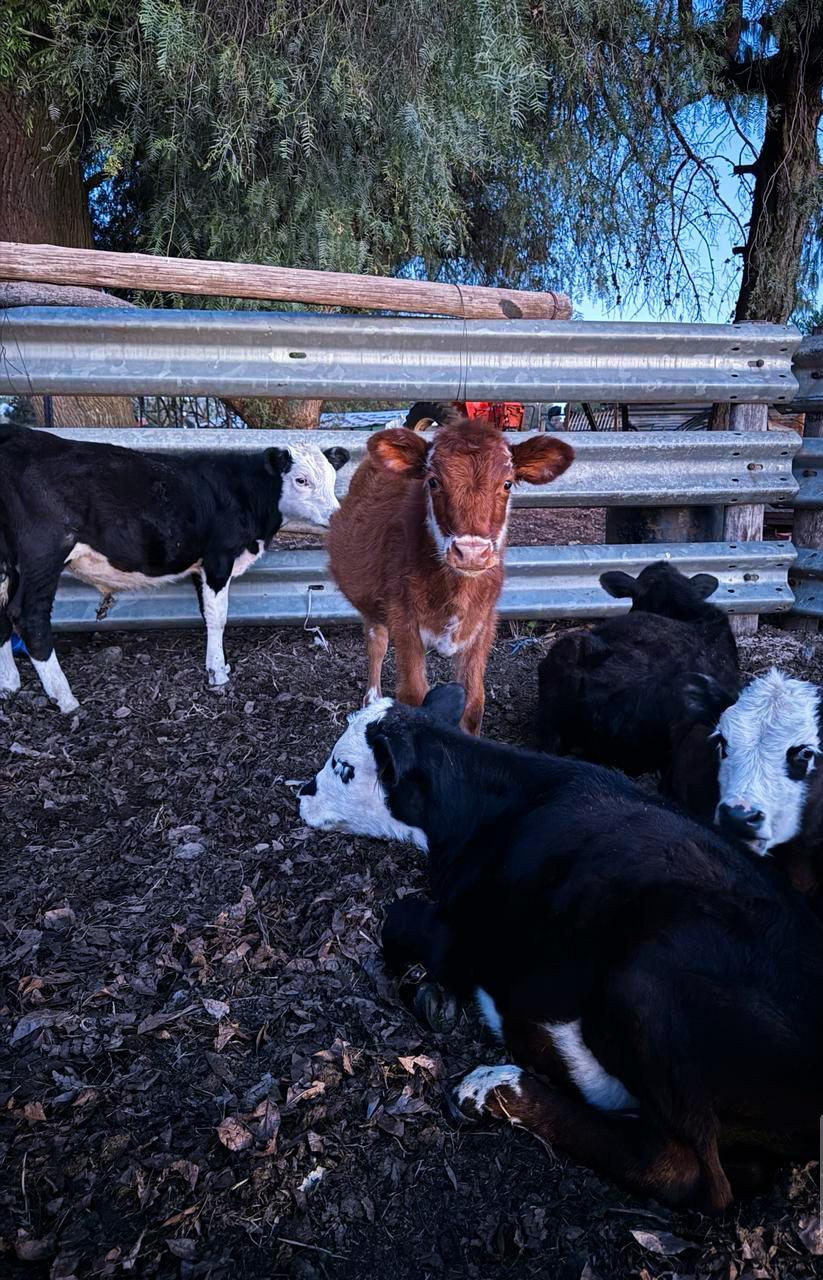
Cattle: The Long Game
Cattle farming operates on a completely different timeline. A calf bought today at R8,000–R12,000 grows in value every month it is alive. A well-managed steer can be sold 12–18 months later at R16,000–R28,000.
The return is lower per year than broilers, but cattle farming builds wealth that compounds differently. A growing herd produces calves. Calves become more cattle. Done correctly, cattle farming is one of the most reliable long-term wealth building strategies available in South Africa.
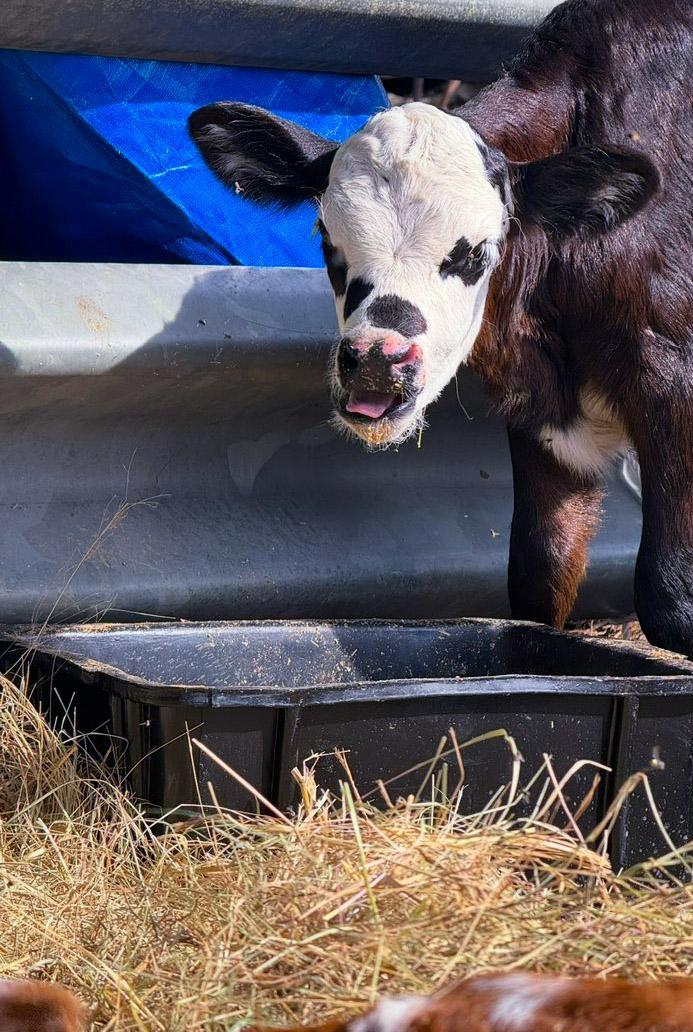
The Mo Kae Di approach combines both: broilers for short-cycle cash flow, cattle for long-term wealth accumulation. They serve different financial goals and work together.
Cost to join the Mo Kae Di Farming community
Membership is completely free. You get access to the knowledge, the community, the planning tools, and the people who have already run these cycles and know what works.
Know Your Numbers. Then Make Your Move.
Join The Community — For Free
The difference between a failed farming attempt and a successful one is almost never money. It is knowledge. And knowledge is what this community provides — without charge, without catch.
Join Free — Start Here